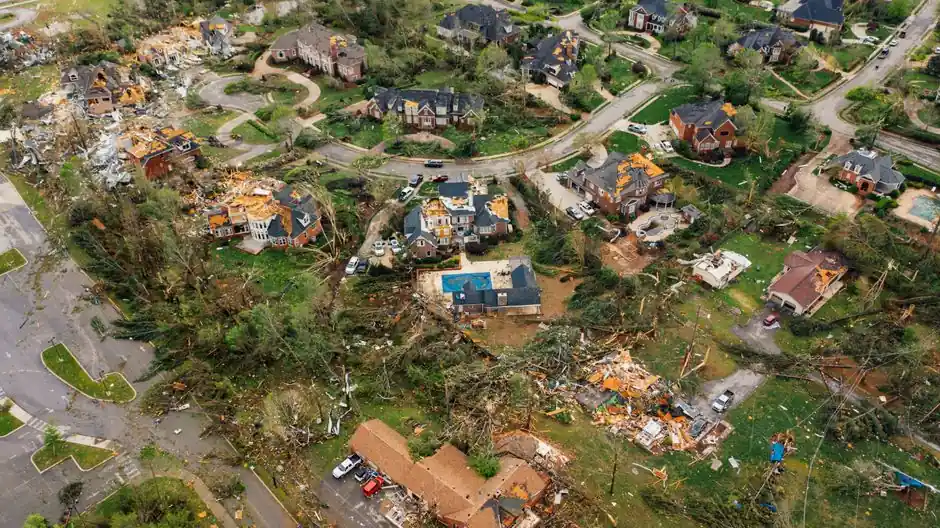
Storms can cause significant damage to homes and businesses, and their effects extend beyond visible destruction. One critical concern is how storm damage impacts air quality in St Petersburg. Understanding these effects is essential for maintaining a healthy indoor environment after severe weather. In this article, we will explore the relationship between storm damage and air quality, the specific concerns for residents in St Petersburg, and the steps you can take to mitigate risks.
Understanding Storm Damage and Air Quality
Storm damage can take many forms, including flooding, wind damage, and structural issues. Each type of damage can contribute to air quality problems. When water infiltrates buildings, it creates an environment conducive to mold growth and can release harmful particles into the air. Furthermore, damaged roofs and walls can allow outdoor pollutants to enter, exacerbating indoor air quality issues.
How Storm Damage Affects Air Quality in St Petersburg
In St Petersburg, the impact of storm damage on air quality can be particularly pronounced due to the region's warm, humid climate. Moisture from storm-related flooding can lead to mold and mildew growth within just 24 to 48 hours. This growth can release spores and volatile organic compounds (VOCs) into the air, posing health risks to residents.
Moreover, storms can disrupt local ecosystems, leading to increased pollen and other allergens in the air. Residents may experience heightened allergy symptoms or respiratory issues as a result of these changes. Understanding how storm damage affects air quality in St Petersburg is crucial for effective remediation and prevention.
Air Quality Concerns After Storm Damage
After a storm, several air quality concerns arise:
- Mold Growth: As mentioned, mold thrives in damp conditions. It can lead to various health issues, including respiratory problems and allergic reactions.
- Increased Allergens: Flooding can disturb soil and vegetation, releasing allergens like pollen into the air.
- Contaminated Air: Floodwaters can carry pollutants, including chemicals and sewage, which can affect indoor air quality when they evaporate.
Residents should be vigilant about these concerns and take proactive measures to ensure their indoor environments remain safe.
Impact of Flooding on Air Quality
The impact of flooding on air quality in St Petersburg cannot be overstated. Floodwaters often contain contaminants from various sources, including chemicals, sewage, and debris. When these waters recede, they can leave behind residues that contribute to poor air quality.
Additionally, the physical damage caused by flooding can create hidden issues, such as trapped moisture in walls and floors, which can lead to long-term mold problems. Addressing these issues promptly is essential for maintaining healthy indoor air.
Common Mistakes to Avoid
When dealing with storm damage and air quality, homeowners often make several common mistakes:
- Ignoring Water Damage: Some may underestimate the severity of water damage, leading to prolonged exposure to mold and contaminants.
- Delaying Remediation: Prompt action is crucial. Delays can worsen air quality issues.
- DIY Mold Removal: Attempting to remove mold without proper equipment can spread spores and worsen the problem.
Avoiding these mistakes can significantly improve your indoor air quality after a storm.
When to Call a Professional
If you experience significant storm damage, it's crucial to know when to call a professional. For example, if you notice persistent moisture, mold growth, or musty odors, it's time to seek help. St Petersburg Restoration Pros specialize in Mold Remediation St Petersburg FL and can assess your situation accurately. Professional remediation ensures that your home is safe and healthy.
Frequently Asked Questions
What is the relationship between storm damage and air quality in St Petersburg?
Storm damage can lead to increased moisture and contaminants in the air, causing poor indoor air quality. Mold growth and allergens can exacerbate respiratory issues.
How can I ensure good air quality after storm damage in St Petersburg?
Ensure proper ventilation, use dehumidifiers, and consider professional Air Quality Testing St Petersburg FL to identify potential issues.
What steps should I take to assess air quality after a storm in St Petersburg?
Inspect for visible mold, check humidity levels, and consider hiring professionals for a thorough assessment and remediation.
How long does it take for mold to grow after flooding?
Mold can begin to grow within 24-48 hours after flooding if conditions are right. Prompt action is essential to prevent health risks.
Can I remove mold myself?
While small areas can be handled with proper precautions, extensive mold growth should be addressed by professionals to prevent spreading spores.
Get help with Water Damage Restoration in St Petersburg
If you've experienced storm damage and are concerned about air quality, it's time to take action. Contact us at St Petersburg Restoration Pros for expert assistance in restoring your home and ensuring a safe environment. Call us at (645) 220-2036 today.